



A lab-grown diamond tennis bracelet is simple in concept—a continuous line of diamonds around the wrist—but the details determine how it looks, feels and wears. Diamond size, setting style, bracelet length and clasp construction all deserve attention.
This guide explains what to compare before choosing one.
What is a tennis bracelet?
A tennis bracelet uses a flexible line of individually set diamonds. The design is clean enough for everyday wear but polished enough for formal occasions. Lab-grown diamonds make it possible to choose a larger total carat weight at a lower price than a comparable natural-diamond bracelet.

Start with total carat weight
Total carat weight, usually written as CTW, describes the combined weight of all diamonds in the bracelet. It does not tell you the size of each diamond by itself. Two bracelets with similar total weights may look different if one uses fewer, larger stones and the other uses more, smaller stones.
Look at the millimetre size of the diamonds, the bracelet length and the number of stones when those details are available. That gives you a better sense of the bracelet's visual presence.
Compare three-prong and four-prong settings
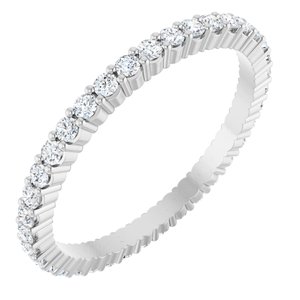
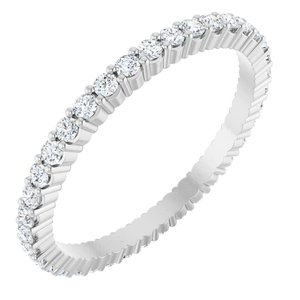
A three-prong setting exposes more of each diamond and can create a lighter visual line. A four-prong setting has a more traditional structure around each stone. Neither is automatically better; the choice is mainly about appearance, construction and how the bracelet feels on the wrist.

When comparing bracelets, also inspect how smoothly the links articulate. A well-made bracelet should follow the wrist without looking stiff or twisting excessively.
Choose the right length
Seven inches is a common bracelet length, but wrist sizes vary. A tennis bracelet should have enough ease to move slightly without sliding far down the hand. Measure a bracelet that already fits well or wrap a soft measuring tape around the wrist and allow a small amount of comfort room.
If the bracelet is a gift, check the recipient's existing jewelry where possible. Length changes can affect fit and may also change the total number of diamonds.
Check the clasp and safety features
A tennis bracelet is valuable and flexible, so the clasp matters. Look for a secure primary clasp plus an additional safety feature where offered. Before wearing it regularly, practise opening and closing the clasp and make sure it seats fully.

Metal colour changes the overall look
White gold creates a continuous white-on-white appearance. Yellow gold adds warmer contrast around the diamonds, while rose gold gives the bracelet a softer tone. Choose the metal you wear most often if you want the bracelet to layer easily with a watch or other jewelry.
How to care for a diamond tennis bracelet
- Remove it before heavy lifting, sports, gardening or work that could catch the links.
- Store it flat and separately to reduce scratching and tangling.
- Clean it gently with warm water, mild soap and a soft brush.
- Have the clasp, links and settings inspected if the bracelet receives frequent wear.
Before you buy
Compare the bracelet's total carat weight, diamond dimensions, length, setting, clasp and metal—not price alone. A balanced bracelet that fits properly and moves comfortably is usually the better choice.
Browse our bracelet collection, compare the classic lab-grown tennis bracelet, or book a consultation for help choosing a style.


