

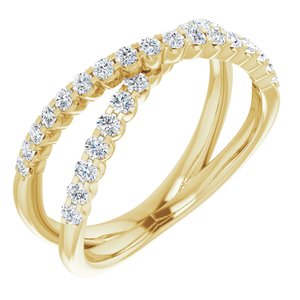
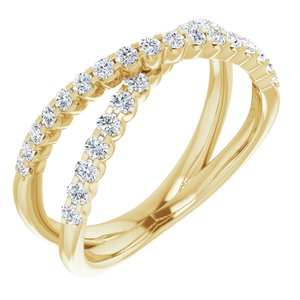
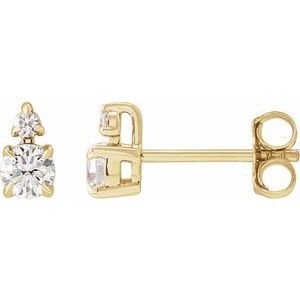
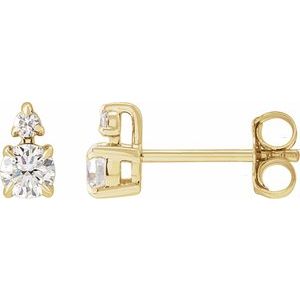
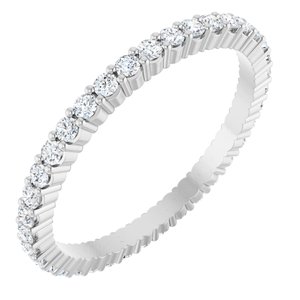
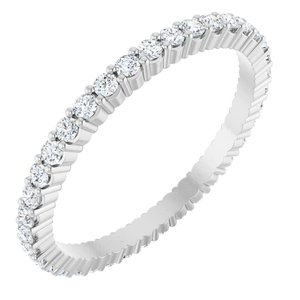
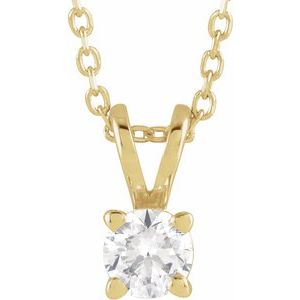
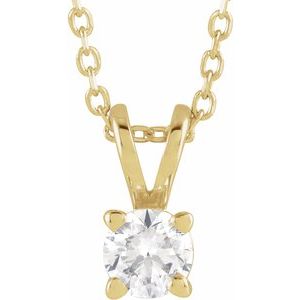
Lab diamonds are real diamonds that are grown in controlled laboratory environments using advanced technological methods. They have the same physical, chemical, and optical properties as mined diamonds.


Lab-Grown Diamond FAQs
-
-
Yes. A lab-grown diamond has the same carbon crystal structure and core optical and physical properties as a natural diamond. Its origin differs, and gemological laboratories can identify growth-related features with specialized testing.
-
Lab diamonds are created through two main methods: High Pressure High Temperature (HPHT) and Chemical Vapor Deposition (CVD). Both methods replicate the natural process of diamond formation.
-
Lab-grown diamonds are often priced below comparable natural diamonds, but the gap changes with carat, grade, shape, brand and market conditions. Compare the full grading report and finished-jewelry price rather than relying on a fixed percentage.
-
They usually cannot be distinguished reliably by appearance alone. Gemological laboratories use specialized instruments and growth features to determine whether a diamond is lab-grown or natural.
-
Lab-grown diamonds avoid diamond mining, but no origin is automatically impact-free. Energy sources, labour practices and material traceability vary by producer. Ask for a grading report and any sourcing or sustainability documentation that matters to you.
-
Yes, since lab diamonds are chemically and structurally identical to natural diamonds, they will last just as long.
-
Caring for a lab diamond is the same as caring for a natural diamond. Regular cleaning and professional checks are recommended to maintain its beauty.
-
Look for an independent grading report from a recognized gemological laboratory, such as GIA or IGI, for significant centre stones. Confirm that the report number and grades match the diamond you are buying.
-
Yes, Promise Jewelry offers a wide selection of lab diamond jewelry, and our experts can create custom pieces to suit your individual tastes and preferences.
-
Yes. Lab-grown diamonds offer diamond hardness and brilliance and can provide more size or grade within a given budget. Choose based on the cut, grading report, setting and your preferences—not origin alone.
-
Promise Jewelry offers a personalized experience for customizing engagement rings. You can choose your preferred lab diamond, setting, metal, and design to create a one-of-a-kind piece.
-
Lab-grown diamond jewelry can generally be insured like other fine jewelry. Keep the invoice, grading report and an appraisal if your insurer requests one, and confirm the coverage terms directly with the insurer.
-
Lab-grown diamonds avoid open-pit or underground diamond mining, but their environmental impact depends heavily on production method, energy source and reporting boundaries. Compare documented supplier information instead of assuming every lab-grown diamond has the same footprint.
-
Resale prices for both lab-grown and natural diamonds can be substantially below retail, and the lab-grown market continues to change. Buy jewelry for wear and meaning rather than treating it as a guaranteed financial investment.
-
Yes, lab diamonds are versatile and can be used in all types of jewelry, including rings, necklaces, earrings, and bracelets.
-
Lab-grown diamonds score 10 on the Mohs hardness scale and resist scratching, just like natural diamonds. They can still chip at vulnerable edges, and the metal setting can scratch, so regular care and inspections are worthwhile.
-
Origin alone does not determine sparkle. Cut quality, proportions, polish, symmetry and clarity affect brilliance, fire and scintillation in both lab-grown and natural diamonds.
-
We evaluate each diamond’s grading information and match it to the design. Ask our team which independent grading report accompanies the specific centre stone or jewelry piece you are considering.
-
Custom timelines depend on design complexity, stone sourcing and production. Contact us with your target date before ordering so we can confirm the current estimate for your project.
-
No, lab diamonds do not change color over time. Their color grade remains stable, just like natural diamonds.
-
Lab diamond jewelry can be cleaned using the same methods as natural diamonds. Mild soap and water with a soft brush work well.
-
Yes, lab diamonds can be reset into new jewelry designs. Promise Jewelry offers redesign and repurposing services.
-
A lab-grown diamond does not come from a diamond mine, so it avoids mining-origin conflict concerns. Responsible sourcing can also include energy, labour and supply-chain practices, which vary by producer.
-
From solitaire to vintage-inspired designs, Promise Jewelry offers a wide array of trending styles to suit every taste.
-
Yes. You can visit us at 6788 Thorold Stone Road, Niagara Falls, Ontario L2J 1B4. Please contact us before visiting to confirm availability and appointment details.
-
Available payment methods are shown at checkout and can vary by order or market. Contact us before purchasing if you need help with a particular payment method.
-
Lab diamonds are real diamonds with the same chemical composition as mined diamonds. Cubic Zirconia and Moissanite are different materials altogether, and while beautiful, they do not have the same properties as real diamonds.
-
Review the independent grading report for the specific diamond and match its report number and characteristics to the stone. Ask our team for the report before purchase if it is not shown on the product page.
-
Yes, lab diamonds can be set in various metals, including gold, platinum, and silver. Promise Jewelry offers a range of options to suit your taste.
-
Only with specialized equipment can a jeweler tell the difference between lab-grown and natural diamonds, as they are chemically and physically identical.
-
Lab diamonds have been growing in popularity and acceptance, and many experts believe they are a lasting option in the jewelry market, not just a trend.
-
Upgrade or trade-in eligibility can vary by item and purchase terms. Contact customer service with your original order details before making plans around an upgrade.
-
CVD (Chemical Vapor Deposition) and HPHT (High Pressure High Temperature) are two methods used to create lab diamonds. CVD builds layers of carbon, while HPHT mimics the natural formation of diamonds. Both create real diamonds but may have slightly different visual characteristics.
-
We review quality and supplier information when selecting lab-grown diamonds. If a particular sourcing, energy or traceability standard matters to you, ask us what documentation is available for the specific stone.
-
Absolutely! Promise Jewelry offers a custom design service, allowing you to create a unique engagement ring.
-
Yes, lab diamonds offer the same lasting beauty and durability as mined diamonds, making them suitable for heirloom pieces.
-
Financing availability and terms can change. The options currently offered for your order will appear at checkout or can be confirmed with our team before purchase.
-
Promise Jewelry provides expert guidance and detailed information about each diamond, helping you make an informed decision based on the 4 Cs and your preferences.
-
Lab diamond jewelry requires the same maintenance as natural diamond jewelry. Regular cleaning and periodic professional checks will keep your pieces sparkling.