

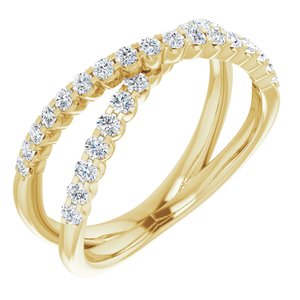
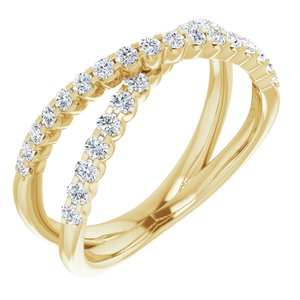
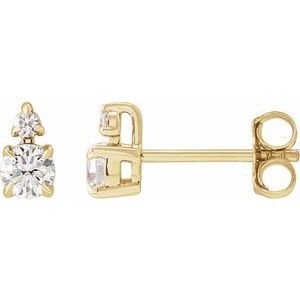
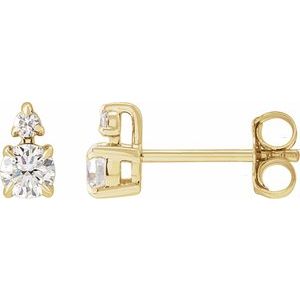
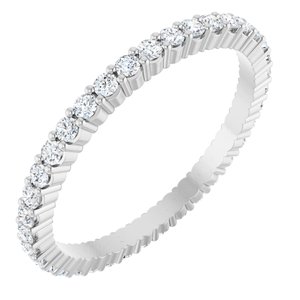
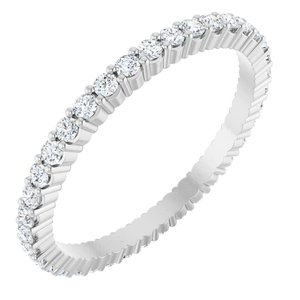
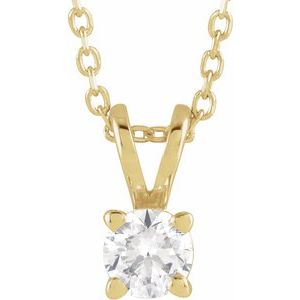
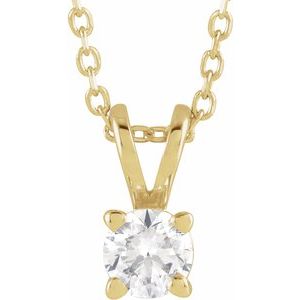


Diamonds sparkle because their polished facets interact with light in a carefully controlled way. Light enters the stone, reflects from its internal surfaces and returns through the top as bright white flashes and spectral colours. When the diamond, light source or viewer moves, the changing pattern creates the lively effect commonly called sparkle.

Gemologists describe this appearance using three related ideas: brightness or brilliance, fire and scintillation. Understanding them makes it easier to compare diamonds beyond carat weight.
Brilliance: reflected white light
Brilliance is the impression of white light returned to the viewer. A well-designed and well-cut diamond directs a large portion of incoming light back through the crown, which is the top section of the stone.
If a diamond is cut too shallow or too deep, more light can escape through the bottom or sides. This light leakage may make parts of the diamond appear dark, watery or less lively.
Fire: flashes of spectral colour
Fire is the separation of white light into visible colours. A diamond's facets can act like small prisms, producing flashes of red, blue, yellow and other colours under suitable lighting.
Fire is easiest to notice under small, direct light sources. Diffused daylight may show a diamond's overall brightness more clearly, while spot lighting can produce stronger coloured flashes.
Scintillation: sparkle in motion
Scintillation describes the pattern of bright and dark areas and the flashes seen as the diamond, observer or light moves. Contrast is important: a diamond needs alternating light and dark reflections for individual flashes to stand out.
Different facet patterns create different personalities. Brilliant-cut shapes tend to produce numerous quick flashes. Step-cut shapes such as emerald and Asscher cuts often show broader, slower flashes and a hall-of-mirrors appearance.
Why cut quality matters so much
Cut quality determines how effectively a diamond's angles, proportions, symmetry and polish work together. It is not the same thing as diamond shape. Round, oval, pear, radiant and emerald describe shapes or facet styles; cut quality describes how successfully a particular stone has been fashioned.
For standard round brilliant diamonds, laboratory cut grades can provide useful guidance. Fancy shapes are more complicated because they are not always given an overall cut grade. Videos, measurements and direct visual comparison become especially valuable.
The Gemological Institute of America explains that brightness, fire and scintillation are central appearance components in its cut assessment for standard round brilliant diamonds.
Do lab-grown diamonds sparkle like mined diamonds?
Yes. Lab-grown and mined diamonds have the same fundamental optical properties. Either can display strong brilliance, fire and scintillation when it is well cut.
Origin does not determine sparkle. The individual diamond's proportions, facet pattern, polish, symmetry, transparency and cleanliness are much more relevant to how lively it appears.
Does clarity affect sparkle?
Clarity characteristics can affect appearance when they are large, numerous or positioned where they interfere with light. However, once a diamond is eye-clean, paying for a much higher clarity grade does not automatically create more visible sparkle.
Cut quality generally has a more direct effect on light performance. Balance clarity with cut, colour, size and budget rather than treating any one grade in isolation.
Why a clean diamond looks brighter
Skin oils, lotion, soap and dust create a film that blocks light and reduces crisp reflections. Even a well-cut diamond can look dull when dirty.
For routine cleaning, use warm water, mild dish soap and a soft brush, then rinse and dry the jewelry carefully. Avoid harsh chemicals and seek professional advice for delicate settings, treated gemstones or pieces that may have loose stones.
How to compare diamond sparkle
- View the diamonds in more than one lighting environment.
- Look at the entire face-up pattern, not only one bright area.
- Compare brightness, coloured fire and movement separately.
- Watch for persistent dark or transparent-looking zones.
- Use grading information as a guide, then judge the individual stone.
- Make sure the diamond is clean before comparing it.
Sparkle is a result of design and light
A diamond's beauty comes from the way its material and facet design manage light. Carat weight tells you how much the diamond weighs, but cut and light performance determine much of what your eye actually sees.
Explore lab-grown diamond fine jewelry from Promise Jewelry or read our lab diamond FAQs.


